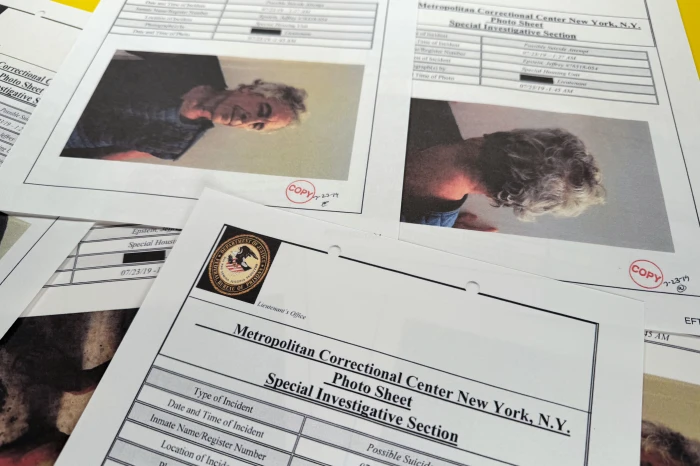



Untangling the maze of Epstein-related documents is increasingly being aided by citizen journalists and independent investigators, who have been combing through court filings, deposition transcripts, and released records in an effort to piece together a clearer public narrative. Their work has added momentum to ongoing scrutiny surrounding the late financier Jeffrey Epstein and his network of associates.
Document review efforts: Thousands of pages of legal materials, including unsealed court documents and prior testimony, have surfaced in recent years. While traditional media outlets continue reporting on major developments, independent researchers have used digital tools and collaborative platforms to catalog names, timelines, and connections embedded within the records.
Public collaboration: Online communities have played a notable role in organizing and cross-referencing information. Participants often share annotated documents, highlight inconsistencies, and track legal proceedings across jurisdictions, creating a decentralized but active research environment.
“There is a level of document analysis happening outside traditional institutions that is unprecedented,” media observers noted.
Media Analyst
Legal and ethical boundaries: Experts caution that while crowdsourced investigations can surface useful insights, they also carry risks, including misinterpretation of legal language or the spread of unverified claims. Attorneys emphasize that court documents require careful contextual reading to avoid drawing inaccurate conclusions.
Political implications: The renewed focus on Epstein-related materials has prompted lawmakers to call for greater transparency in federal investigations and record-keeping. Some members of Congress have urged additional disclosures to address lingering public questions about oversight and accountability.
Ongoing developments: As further records are reviewed and litigation continues, analysts expect the collaborative examination of documents to persist. The intersection of digital activism, investigative journalism, and formal legal processes has reshaped how high-profile cases are examined in the public sphere.