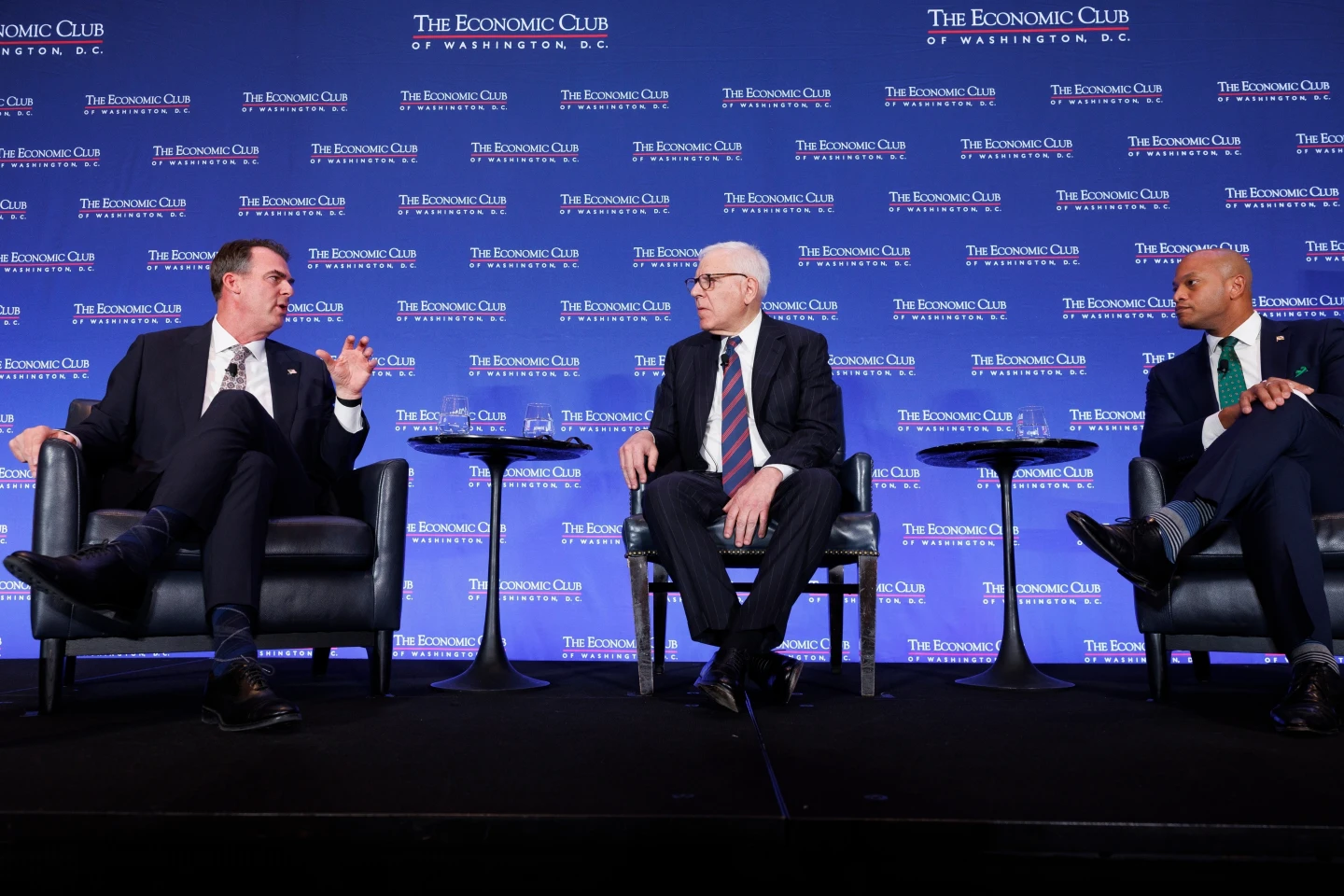



While operating under the widespread influence of Donald Trump and his party's, national leadership, a number of state governors are indicating a willingness to show their independence once they arrive in Washington, marking a significant shift within Republican politics.
Once-routine political coordination has become more complicated as governors strike a balance between party loyalty and the responsibilities of running varied states Instead of completely aligning with national partisan conflicts, some Republican governors are placing more emphasis on state-level concerns, such as infrastructure, business development, economic growth, and education.
“The test of leadership is not ideology, it’s whether you can solve problems.”
Thomas Friedman
The dynamic is a reflection of a larger conflict inside the GOP: governors frequently deal with distinct political realities at home, while Trump continues to have considerable influence over the party's course. Many are in charge of purple or contested states, where winning reelection and passing legislation depend on bipartisan cooperation and practical government.
Democratic governors, on the other hand, are similarly cautiously navigating Washington, seeking opportunities for collaboration while opposing policies they believe are detrimental to their states. Instead of being closely tied to national party orthodoxy, the governors' approach as they convene in the nation's capital points to a rising attempt to carve out political space by pursuing flexibility, state autonomy, and policy independence.
Several U.S. governors are signaling their intent to assert greater independence as they arrive in Washington, reflecting a shift in the political dynamics within their own party. What was once routine coordination has become more complex, as governors navigate growing pressure to balance national party influence with the practical needs of their states.
Many Republican governors are focusing on state-specific priorities such as economic growth, business expansion, infrastructure investment, and education reform. These leaders are increasingly emphasizing pragmatic governance, aiming to deliver tangible results for their constituents rather than becoming fully absorbed in national partisan conflicts.
The evolving relationship highlights broader tensions within the party, as governors seek flexibility to address local challenges while maintaining their political standing. Their approach underscores a growing effort to carve out independent leadership roles, prioritizing state interests and long-term development while engaging with federal leadership in Washington.