


Scarification is an easy seed-starting method that accelerates the germination of tough-coated seeds, helping gardeners improve sprouting success rates for plants that might otherwise take weeks — or even months — to emerge. The technique works by weakening or breaking down the seed’s hard outer shell, allowing moisture and air to penetrate more easily.
Why scarification matters: Some plant varieties naturally develop thick seed coats as a survival mechanism, protecting them from harsh environmental conditions. However, this protective layer can also delay germination when seeds are planted in home gardens. By gently scratching, nicking, or softening the outer surface, gardeners can simulate natural processes like weathering or animal digestion that trigger growth in the wild.
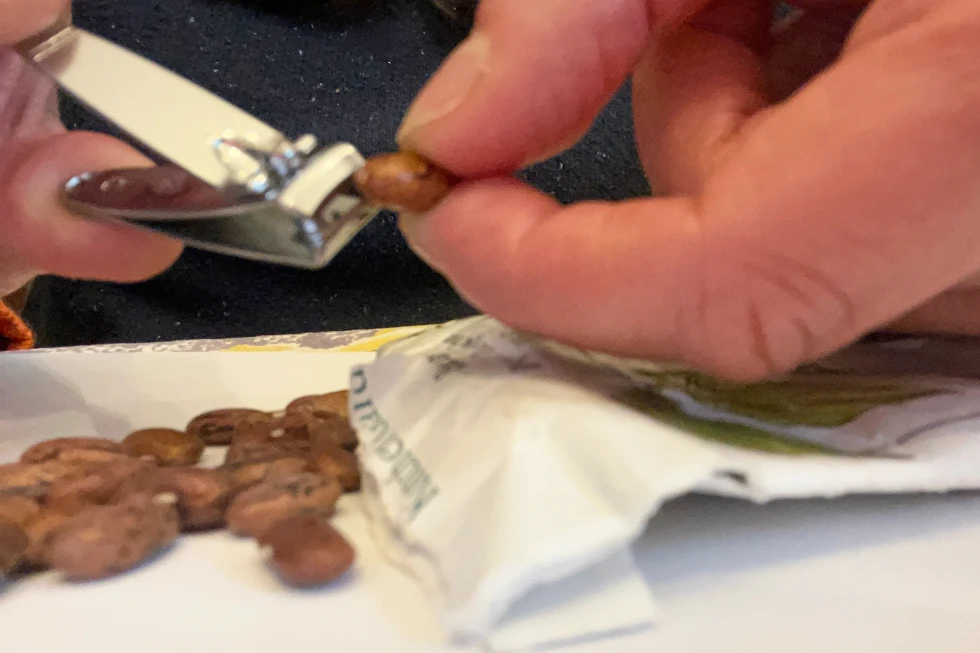
Common methods: Mechanical scarification involves lightly sanding the seed coat with sandpaper or making a small nick with a knife. Another popular approach is soaking seeds in warm water for several hours to soften the shell. For particularly hard seeds, hot water treatments are sometimes recommended, though care must be taken to avoid damaging the embryo inside.
“Scarification can dramatically speed up germination and improve uniform sprouting,” horticulture experts note.
Garden Specialist
Best uses: The technique is especially useful for legumes, morning glories, and other species known for dense seed coatings. Gardeners should always research specific plant requirements, as not all seeds benefit from scarification.
Growing success: When done properly, scarification can lead to quicker, more consistent seedlings and a stronger start to the growing season. Combined with proper soil, moisture, and light conditions, it offers a simple yet effective boost for home gardeners and horticulture enthusiasts alike.
For many seeds to sprout, all they need is soil and water. Some, on the other hand, have a tougher covering that makes germination a little challenging. This is due to the fact that in the wild, they are transported across great distances before being dropped by birds and other animals that consume them. It's a smart plan: By bringing the species to a new area, the trip guarantees biodiversity. Additionally, the seed's hard outer covering guarantees its survival in the digestive tract of an animal, which only breaks down enough of the layer to let water in. In cold weather, the residual coating keeps the seed from waking up too soon, which would otherwise result in the death of delicate sprouts.