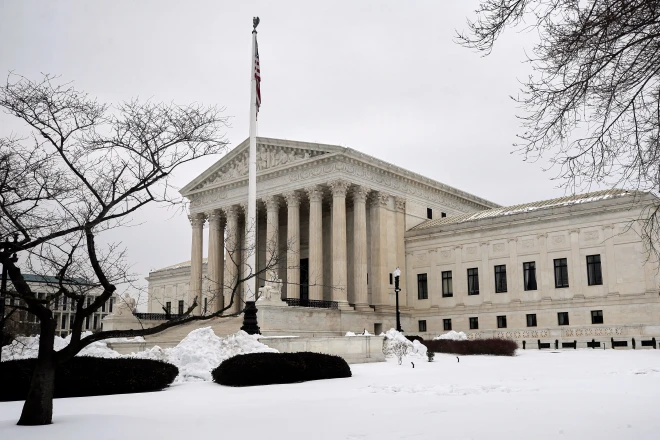



The instability surrounding trade policy is unlikely to cease even if the Supreme Court rules against President Trump’s tariffs, as broader questions about executive authority and long-term trade strategy would remain unresolved. Legal experts note that a court decision could settle the immediate dispute but may not eliminate uncertainty for businesses and global markets.
Legal implications: A ruling from the U.S. Supreme Court could clarify the scope of presidential powers under existing trade laws. However, analysts say the decision may prompt Congress to revisit statutory frameworks governing tariffs, potentially opening a new phase of legislative debate.
Market reaction: Financial markets have closely monitored the legal battle, with investors weighing the potential economic impact of tariff rollbacks or reinstatements. Even if the court invalidates certain measures, companies could remain cautious amid concerns about future administrations reimposing similar policies.
“A court ruling might resolve the legal question, but it won’t necessarily restore predictability to U.S. trade policy,” trade analysts said.
Trade Analyst
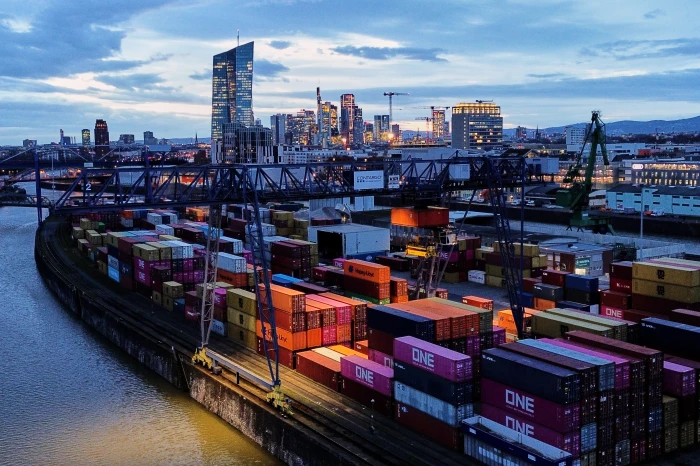
Business uncertainty: Manufacturers, exporters, and import-dependent industries continue to face planning challenges as trade policy shifts have affected supply chains, pricing strategies, and long-term investment decisions. Many firms have already diversified sourcing to hedge against policy volatility.
Political dimensions: The case also carries political implications, as lawmakers debate the balance of power between the executive branch and Congress in setting trade policy. The outcome could influence future administrations’ willingness to rely on emergency economic powers to enact tariffs.
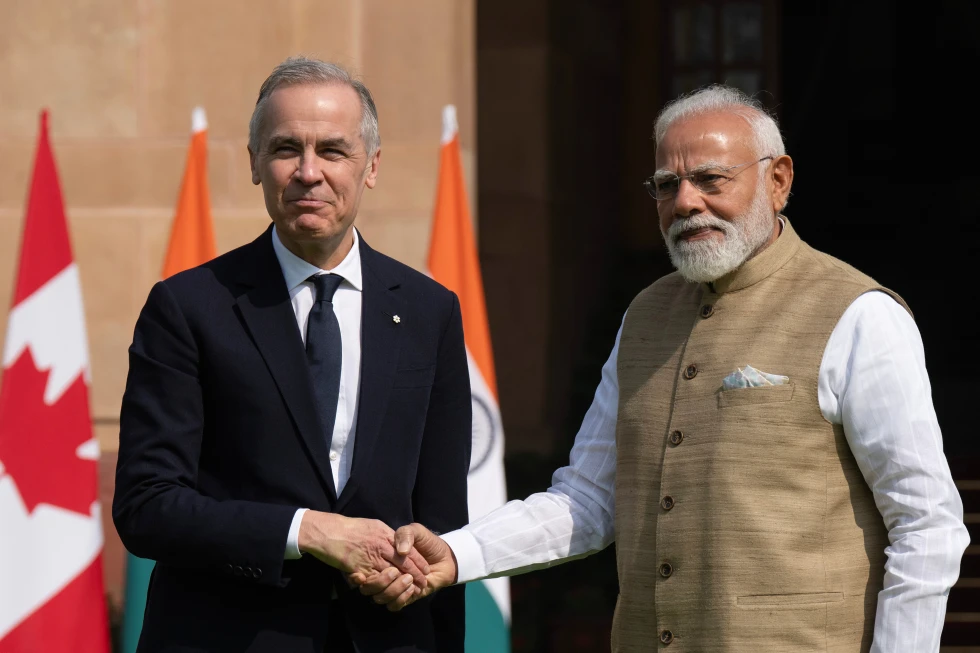
Global perspective: Trading partners are watching closely, as shifts in U.S. tariff policy can ripple across international markets. Diplomatic relations and ongoing negotiations may remain sensitive regardless of the court’s final decision.
Looking ahead: Analysts suggest that sustained stability would require clearer legislative guidelines and a consistent long-term trade strategy. Until then, legal rulings alone may not fully resolve the uncertainty shaping global commerce.