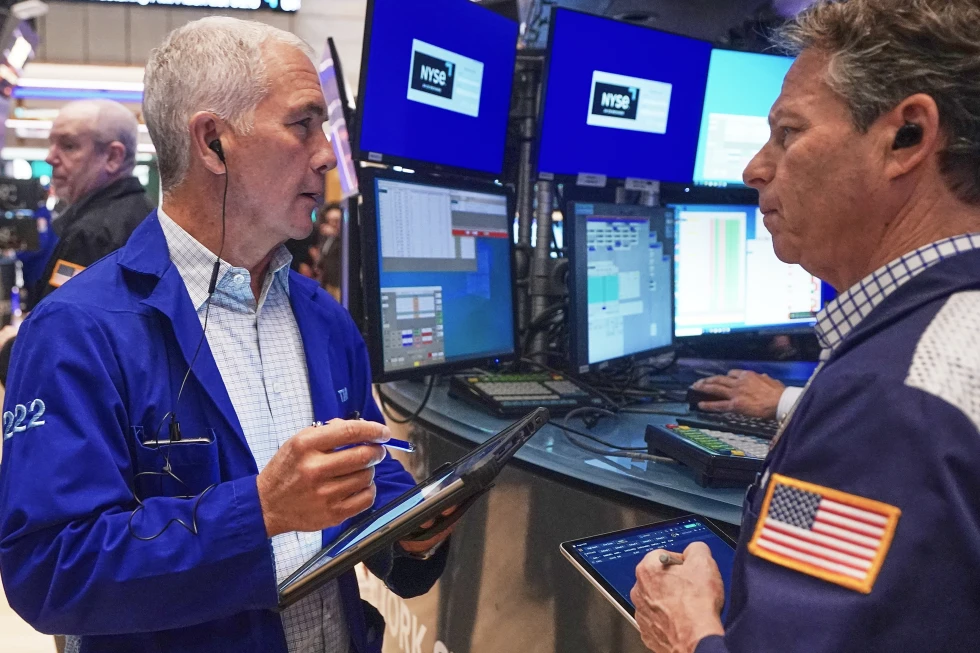



Trump's increased tariffs caused U.S. stocks to plummet, as investors dumped possible AI losers, triggering a broad selloff across Wall Street. The renewed escalation in trade tensions rattled financial markets, with technology and artificial intelligence shares leading the decline amid fears of rising costs and slowing global demand.
Market reaction: Major indexes fell sharply as investors reacted to the tariff expansion, which is expected to increase import costs and pressure corporate profit margins. Technology stocks, particularly companies viewed as vulnerable or overvalued in the AI space, experienced significant losses as traders reduced exposure to riskier assets.
AI sector under pressure: Shares of firms tied to artificial intelligence — especially those yet to demonstrate strong earnings growth — faced heavy selling. Market participants expressed concern that higher tariffs could disrupt supply chains, increase hardware costs, and weaken demand for AI-related products and services.
“The tariff hike adds another layer of uncertainty at a time when AI valuations were already stretched, prompting investors to reassess risk,” market analysts said.
Market Strategist
Investor sentiment shifts: The selloff reflects growing caution among institutional investors who had previously driven strong gains in AI-focused equities. With geopolitical and trade uncertainties rising, traders are rotating into safer assets while trimming exposure to speculative growth sectors.
Economic implications: Economists warn that expanded tariffs could raise costs for manufacturers and consumers alike, potentially fueling inflationary pressures. Higher input costs may squeeze corporate margins, especially in industries reliant on global supply chains and semiconductor imports.
Global market response: While Wall Street experienced sharp declines, overseas markets reacted more cautiously. Some Asian equities showed resilience, though volatility remains elevated as global investors monitor trade developments and policy signals.
Looking ahead: Analysts say market stability will depend on clarity around trade negotiations and corporate earnings performance. If tariff tensions escalate further, continued volatility in AI and technology stocks is likely, underscoring the sensitivity of growth sectors to geopolitical risks.
Broader context: The combination of trade policy uncertainty and stretched valuations in emerging technologies highlights the fragile balance currently shaping global financial markets. Investors are increasingly weighing long-term AI potential against short-term economic headwinds.