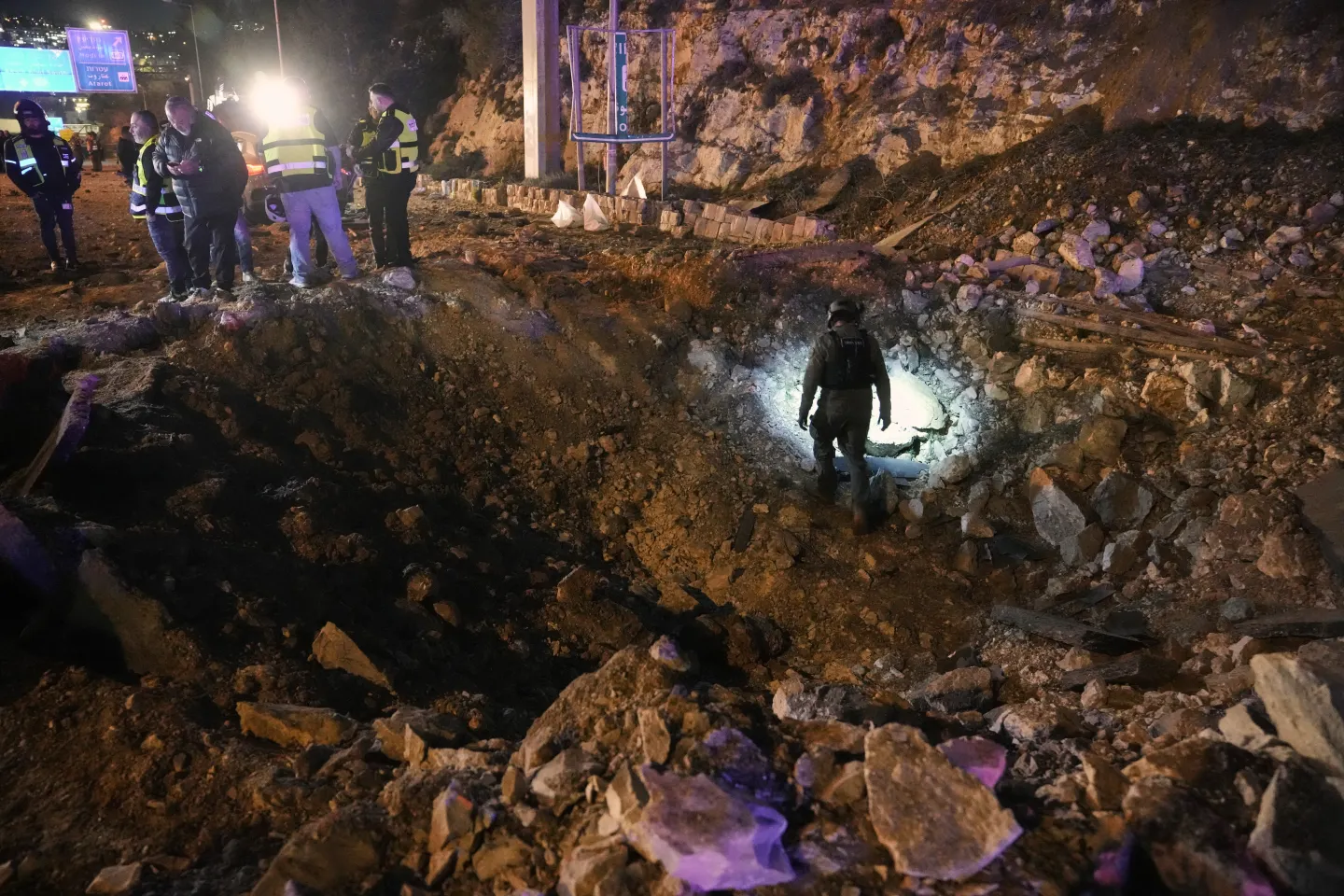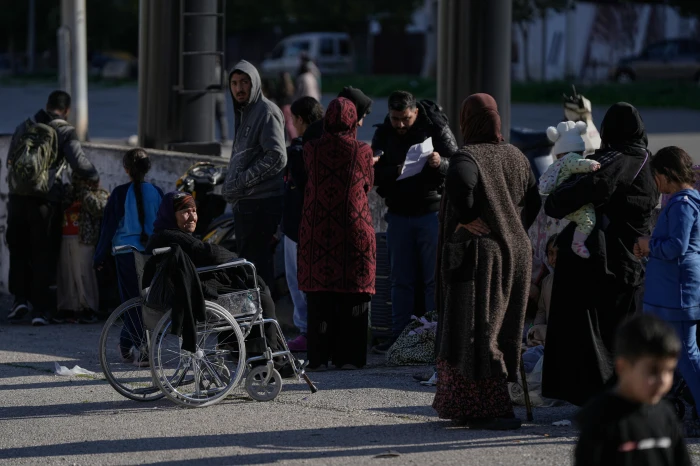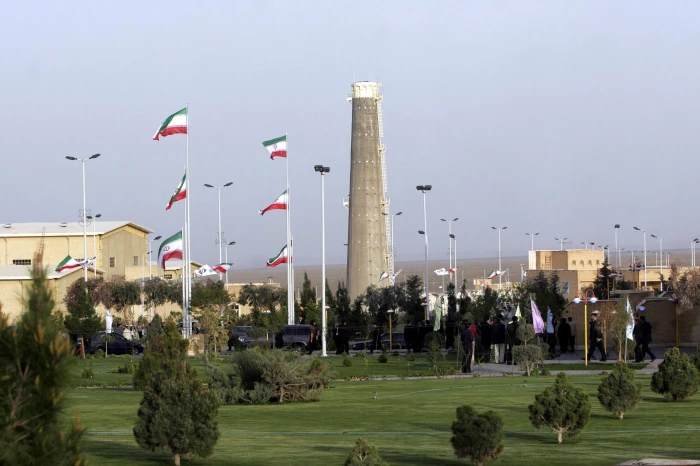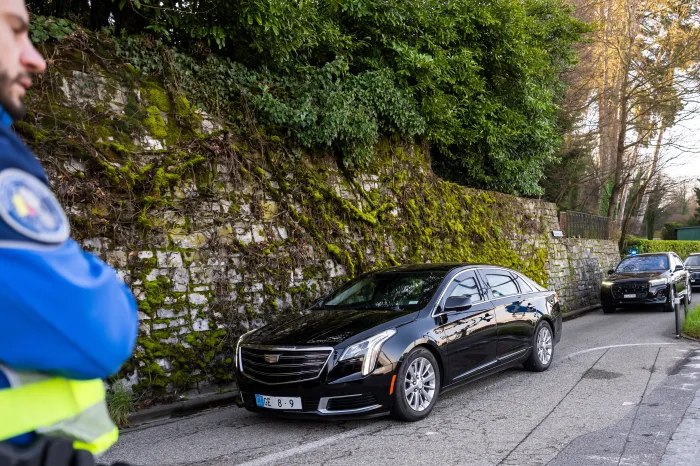



Diplomatic efforts between the United States and Iran have resumed as military forces maintain a heightened presence across parts of the Middle East. The talks aim to address nuclear program concerns while preventing further escalation.
Officials from both sides signaled cautious optimism, though significant differences remain. Discussions focus on inspection frameworks, enrichment limits, and phased sanctions relief.
“Negotiation and deterrence often proceed simultaneously in high-stakes diplomacy.”
Foreign Policy Analysts
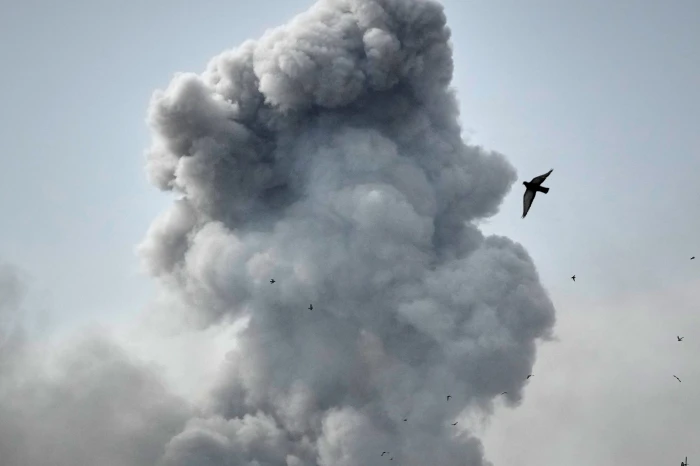
Simultaneously, regional military deployments reflect ongoing security concerns. Analysts describe the dual-track approach—negotiation and deterrence—as characteristic of past engagements.
The success of renewed dialogue may depend on incremental progress and confidence-building measures. Observers emphasize the importance of sustained diplomacy in reducing long-term risks.
MS NOW said late Thursday that Badr Albusaidi will meet with U.S. Vice President JD Vance and other U.S. officials in Washington on Friday. Requests for response were not immediately answered by the White House or Oman's embassy in Washington. The likelihood that U.S. President Donald Trump will carry out his promised attack on Iran, which many worry may turn into a larger war, could be diminished by any significant step toward an elusive compromise between Washington and Tehran, longtime enemies. However, the indirect negotiations ended without a deal on Thursday, leaving the area tense. Indirect discussions between Iranian Foreign Minister Abbas Araqchi and U.S. envoys Steve Witkoff and Jared Kushner in Geneva, with one session in the morning and the second in the afternoon, preceded the Omani minister's optimistic assessment.
"We have finished the day after significant progress in the negotiation between the United States and Iran," stated Badr Albusaidi. However, Badr Albusaidi gave no specifics and merely stated that the two sides had overcome their greatest obstacles to a settlement, which many analysts view as the final opportunity before Trump decides to go to war. Araqchi told Iranian state media that the discussions were among the most serious Iran has had with the United States, saying, "We reached agreement on some issues, and there are differences regarding some other issues." He stated, "It was agreed that the next round of negotiations will be held in less than a week." He said that the Iranians have made it clear that they wanted the U.S. sanctions to be lifted, something Washington has long maintained can only happen if Tehran makes significant concessions.