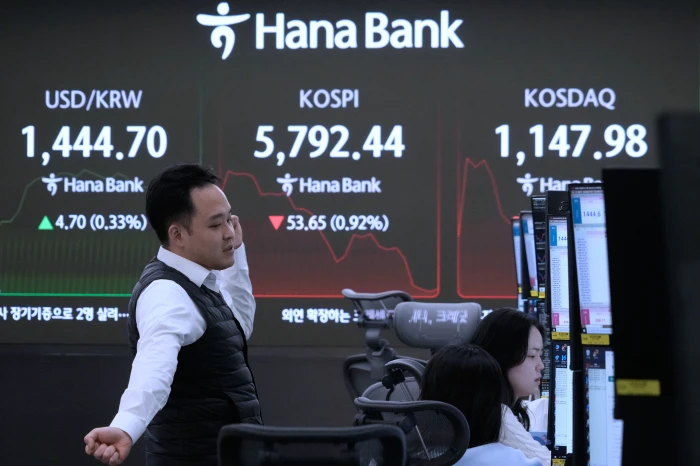



Following Wall Street’s hefty selling of possible AI losers, Asian equities remain neutral, signaling cautious investor sentiment amid ongoing debate over the value of AI-related stocks. Meanwhile, Bloomberg Philanthropies Mayors Challenge winners are using AI to improve city services, highlighting a positive, practical side of artificial intelligence in public governance.
AI-driven city improvements: Participating cities are leveraging AI to optimize traffic flow, streamline waste collection, and enhance emergency response times. By analyzing large datasets, municipal leaders can identify patterns, anticipate challenges, and deploy resources more efficiently, ultimately improving quality of life for residents.
Impact on operations: City managers report that AI tools have increased operational efficiency, reduced response times, and enabled data-driven decision-making. The technology also supports predictive maintenance of infrastructure, helping municipalities prevent costly repairs and service disruptions before they occur.
“This program demonstrates the transformative potential of AI in urban governance, helping mayors deliver smarter, faster, and more equitable services to their communities,” officials said.
Bloomberg Philanthropies Representative
Market reaction and investment caution: On Wall Street, investors are offloading AI stocks perceived as overvalued or underperforming, reflecting growing skepticism despite AI’s promise. Asian markets are largely neutral, suggesting that regional investors are taking a wait-and-see approach while evaluating corporate performance and technological adoption.
Policy and governance implications: City leaders emphasize that AI adoption must balance efficiency gains with ethical considerations, data privacy, and equitable access. Human oversight remains essential to ensure technology serves the public interest responsibly.
Scaling innovation: The Mayors Challenge encourages knowledge sharing across municipalities. Smaller cities can implement proven AI solutions without large in-house technology teams, while investors and policymakers observe the broader implications of AI adoption in both public services and financial markets.
Looking ahead: AI initiatives in cities are expected to expand into energy management, public health monitoring, and citizen engagement. At the same time, AI-related market volatility may continue to influence investor decisions, highlighting the dual role of AI as a tool for societal benefit and a focus of financial speculation.
Broader context: The juxtaposition of practical AI applications in cities with cautious market behavior underscores the complexity of artificial intelligence in 2026. While technology is transforming urban governance, financial markets remain careful in valuing AI investments, reflecting both opportunity and risk.