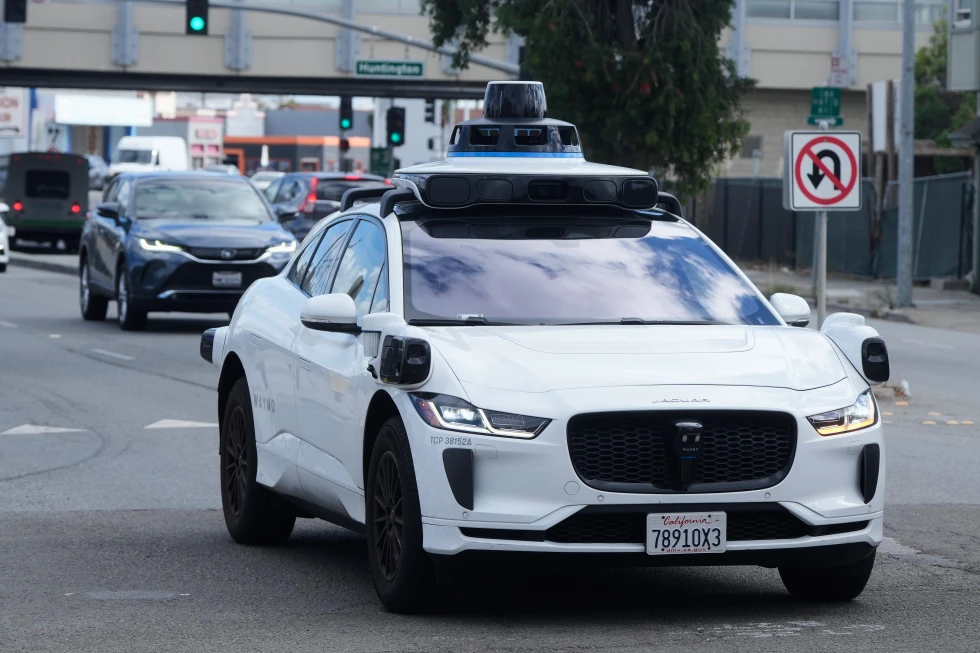



Waymo has expanded its autonomous vehicle operations into Texas and Florida, bringing its robotaxi services to ten major markets across the United States. The milestone marks a significant step in the company’s effort to commercialize self-driving transportation at scale.
Waymo’s expansion reflects years of technological development in autonomous navigation systems. Equipped with advanced sensors, cameras, and AI-powered decision-making software, its vehicles operate without human drivers in designated service areas. The company reports steady growth in rider adoption where services are already established.
“Autonomous mobility is transitioning from pilot programs to real-world transportation networks.”
Transportation Industry Analysts
Texas and Florida present unique testing environments, from dense urban traffic to varying weather conditions. Expanding into these states demonstrates increased confidence in the reliability and adaptability of autonomous systems.
Proponents argue that robotaxis could reduce traffic accidents, improve transportation access, and lower emissions over time. Critics, however, continue to raise concerns about safety, regulation, and job displacement within the traditional ride-hailing industry.
Local authorities are working closely with Waymo to ensure compliance with safety standards and operational transparency. As more cities evaluate autonomous vehicle frameworks, regulatory consistency will play a crucial role in broader deployment.
Waymo’s growing footprint signals accelerating momentum in the autonomous mobility sector, suggesting that self-driving services are moving steadily from experimental pilots toward mainstream transportation options.